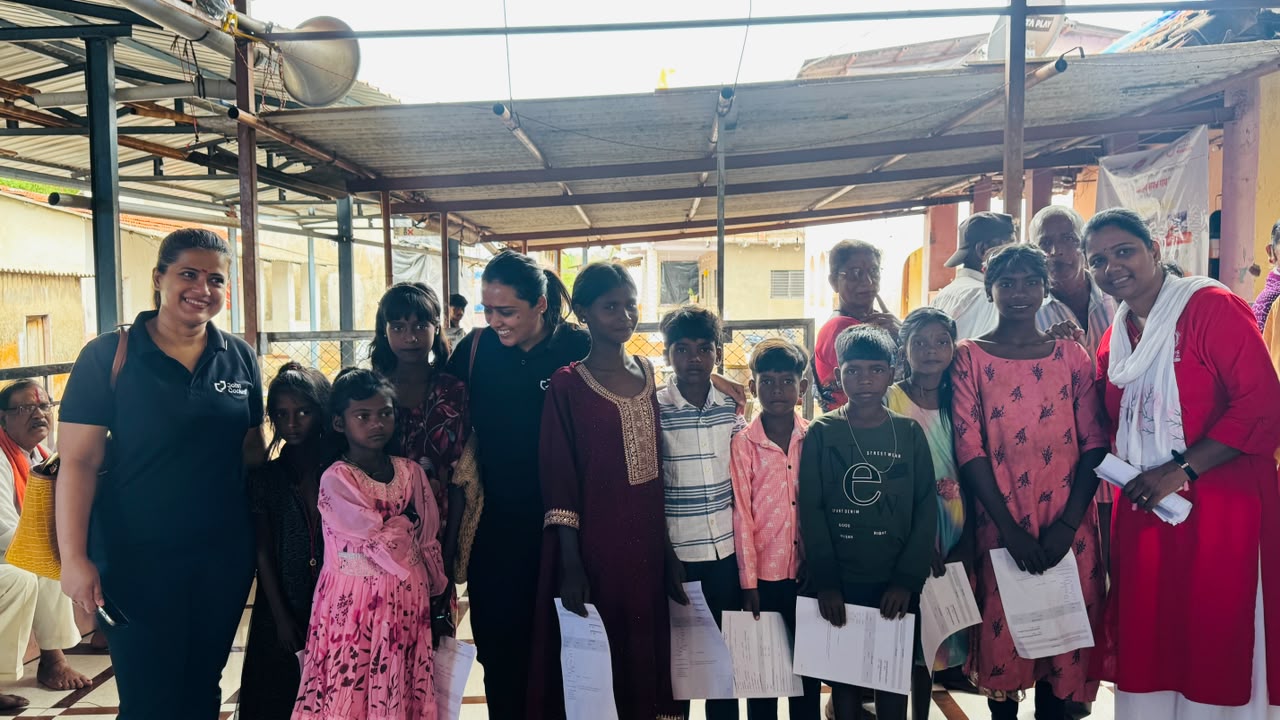
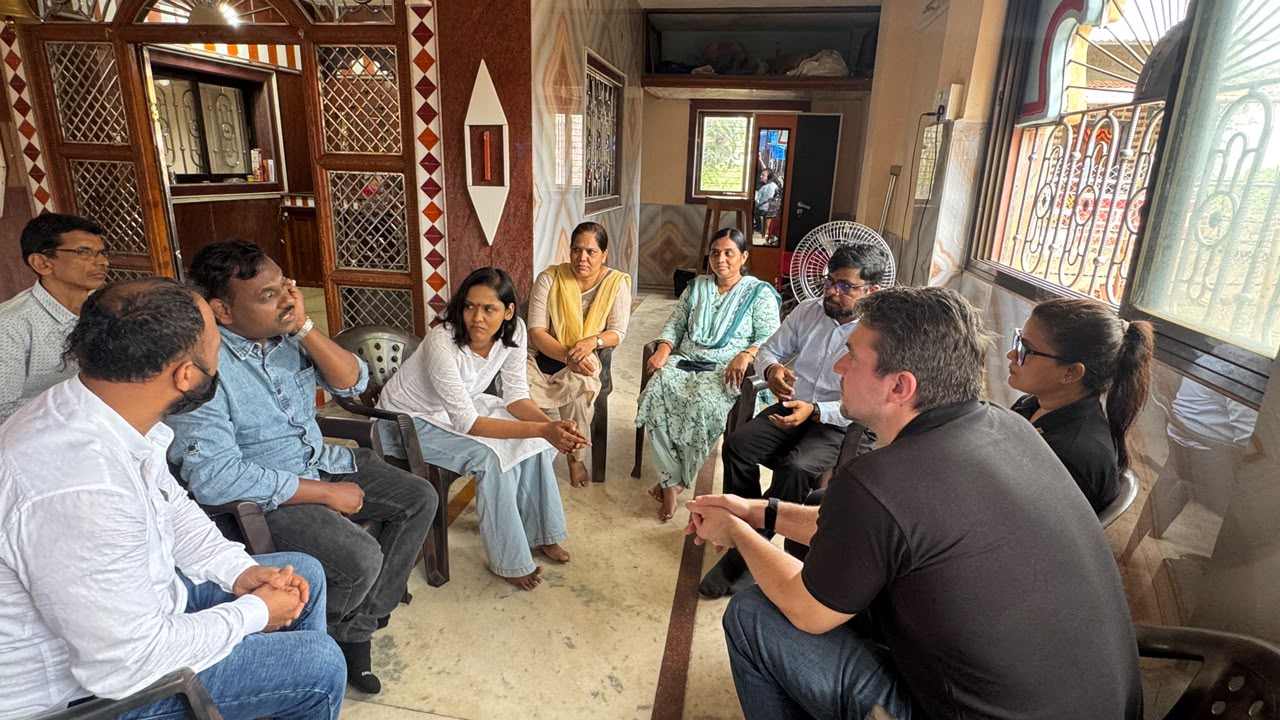
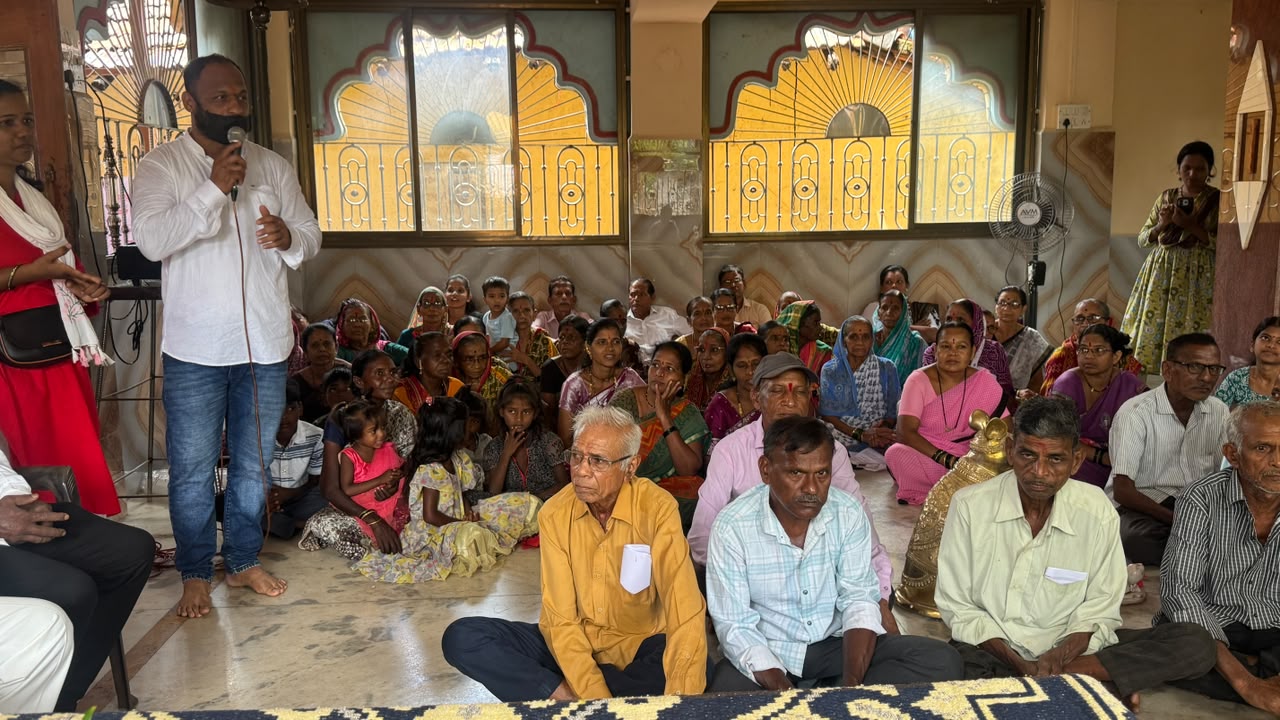
Because projects truly come to life when experienced in the field, colleagues from John Cockerill India recently visited a village in the Raigad district, Maharashtra, to meet with the teams from the Swades Foundation, community health workers, and residents benefiting from a healthcare program supported by the John Cockerill Foundation.
The visit provided a firsthand look at the initiatives carried out every day and their tangible impact on approximately 50 households within the community.
Making healthcare more accessible to local communities
In many rural areas, access to healthcare remains a major challenge. Long travel distances, limited infrastructure, and financial constraints can delay the diagnosis of diseases that are otherwise preventable or treatable.
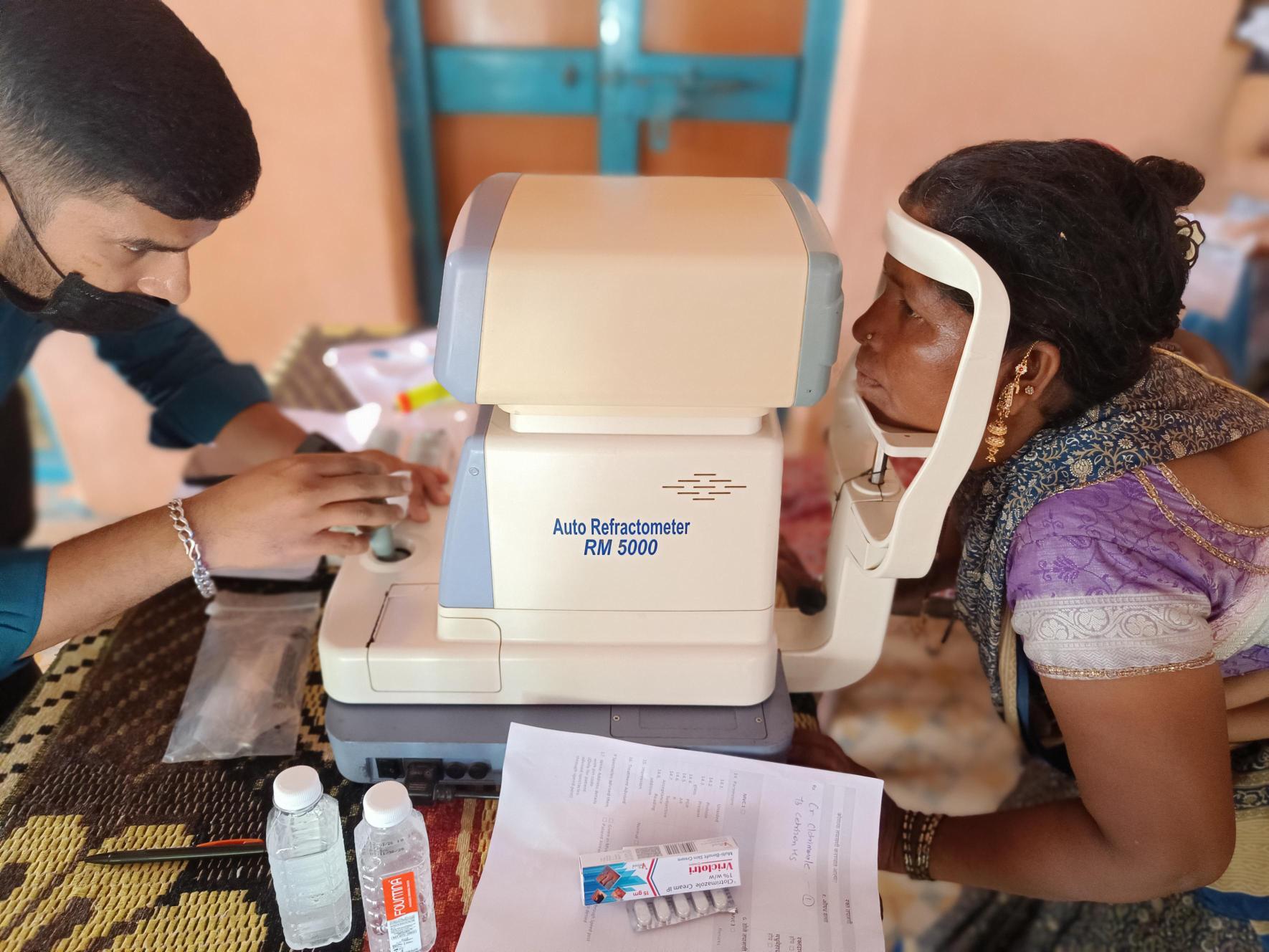
The health camp organized in the village addresses these challenges by bringing medical consultations and health screenings directly into the community. Residents were able to receive blood pressure checks, diabetes screenings, vision exams, cataract screenings, as well as personalized guidance on disease prevention, nutrition, hygiene, and healthy lifestyle practices.
Beyond medical services, these health camps also provide valuable opportunities for dialogue and awareness, helping residents better understand the importance of preventive care and adopt healthier behaviors.
The Swadesh Mitras: A key link in the project
One of the most significant takeaways from the visit was the critical role played by the Swadesh Mitras, community health workers trained by the Swades Foundation.
Working closely with residents every day, they mobilize the community, organize screening campaigns, support individuals requiring medical follow-up, and serve as a permanent link between healthcare professionals and the local population.
Their dedication transforms a one-day health camp into a long-term healthcare support program.
A well-structured system supporting beneficiary follow-up
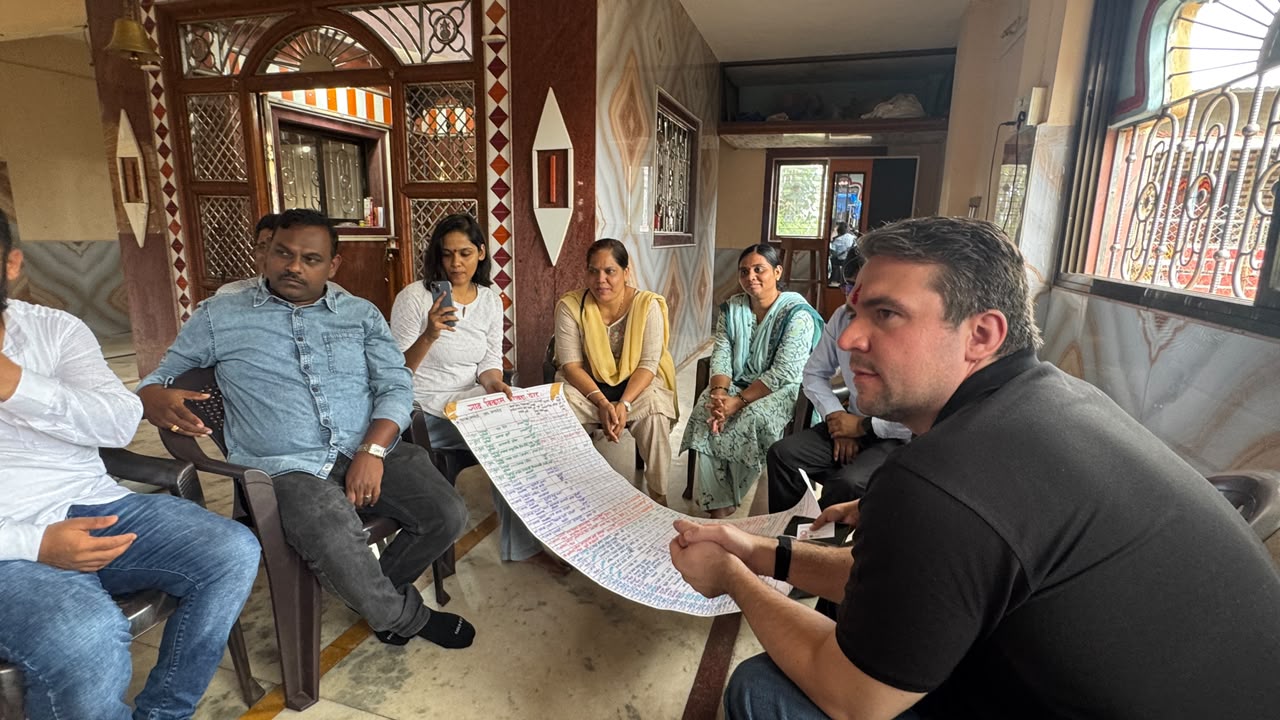
Our colleagues also had the opportunity to observe the high quality of the monitoring and follow-up conducted on the ground. Beneficiary registers, household surveys, maternal and child health records, screening logs, referral tracking, and activity reports all demonstrate a structured approach that makes it possible to monitor community needs and ensure the continuity of the program.
This rigorous organization is a key factor in the program’s success, helping identify priority cases while ensuring ongoing support for the most vulnerable individuals.
Conversations with community members further illustrated the importance of these initiatives in their daily lives.
A Swadesh Mitra explained:
“Thanks to the support of the John Cockerill Foundation, we are able to bring healthcare services closer to local communities. Screenings allow us to quickly identify people who need medical follow-up, particularly for diabetes, hypertension, and vision-related conditions.”
For many residents, these health camps represent the only opportunity to receive basic health screenings without traveling long distances.
One resident shared:
“In the past, we had to travel very far just to receive basic medical checkups. Today, older adults can have their blood pressure, blood sugar, and eyesight checked right here in the village. It has made a tremendous difference.”
Another beneficiary added:
“We were able to receive advice about our health, nutrition, and disease prevention without leaving our village. Initiatives like this are incredibly valuable for our community.”
This visit served as a reminder that a successful healthcare project is much more than a one-time intervention. Its long-term impact depends on the strength of partnerships, the commitment of local stakeholders, and the ability of communities to become active participants in improving their own health.