Al Haouz relies on solar energy for drinking water

2025, Morocco

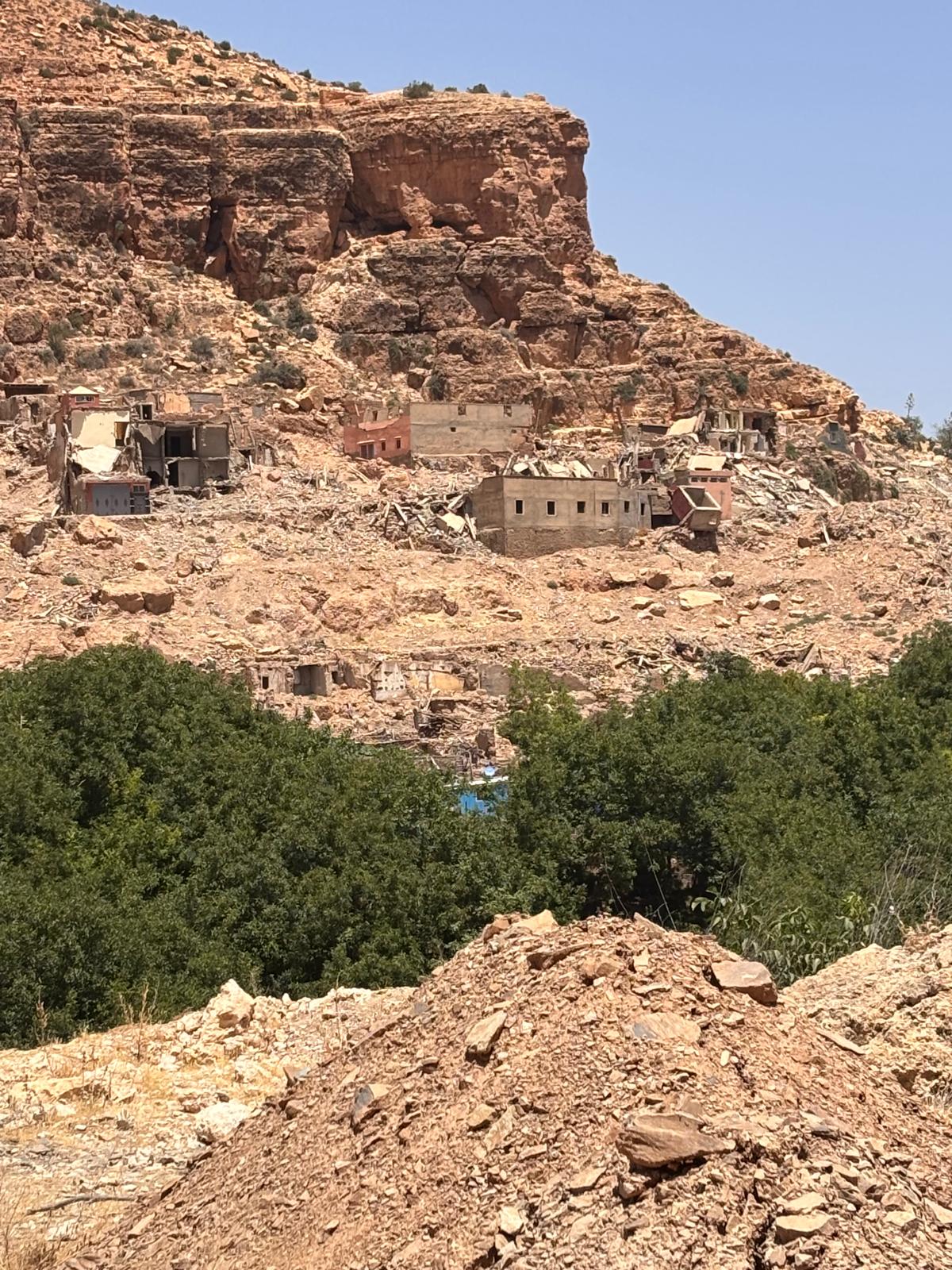
For several years, the province of Al Haouz in Morocco has been facing severe droughts, leading to a decrease in water resources. This situation was exacerbated by the 2023 earthquake, which caused significant damage to drinking water supply infrastructure. These crises have particularly affected disadvantaged local populations, especially in the most isolated villages.
03. Good health and well-being
06. Clean water and sanitation
10. Reduced inequalities

The CARAX and ASAFRAN project for drinking water

The Centre for Strengthening Civil Society Actions (CARAX), in collaboration with the Association Solidarité Afrique Andenne (ASAFRAN), has launched a project aimed at:

  • Improving access to drinking water in affected villages.
  • Strengthening the autonomy of local communities.

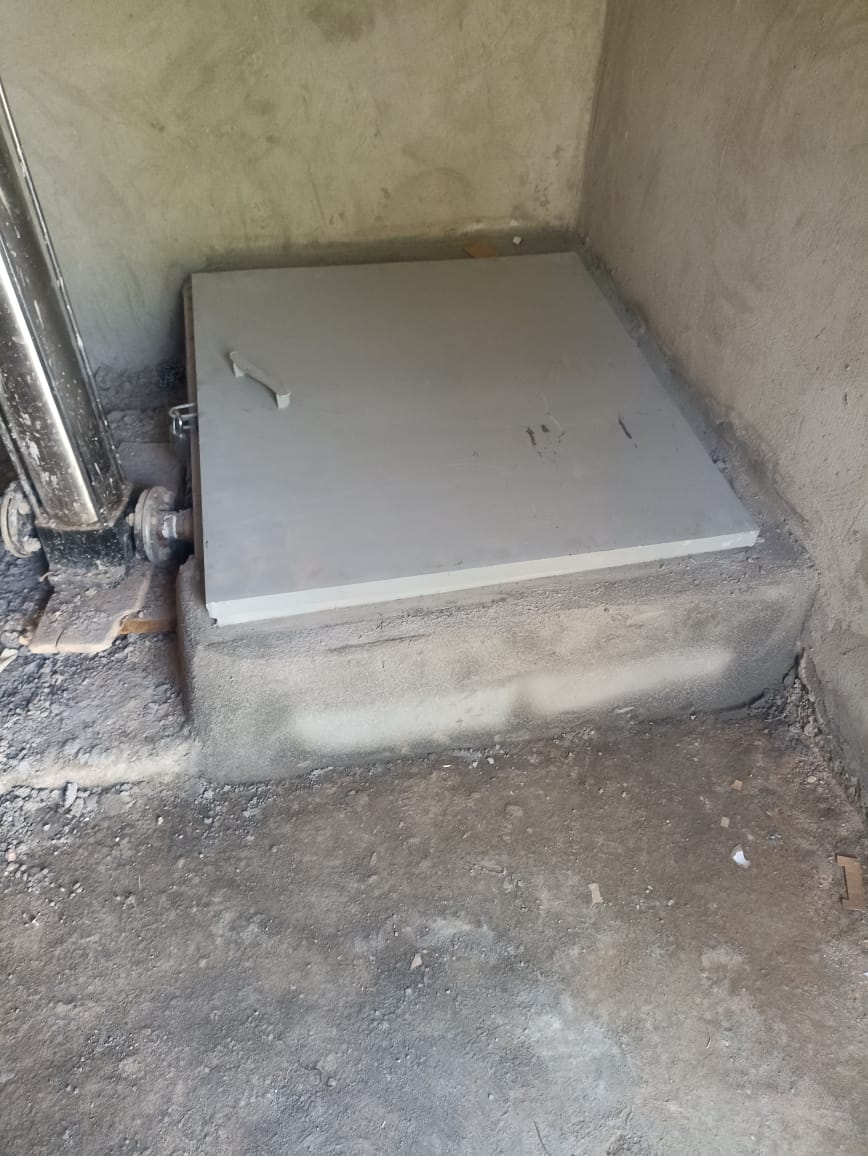
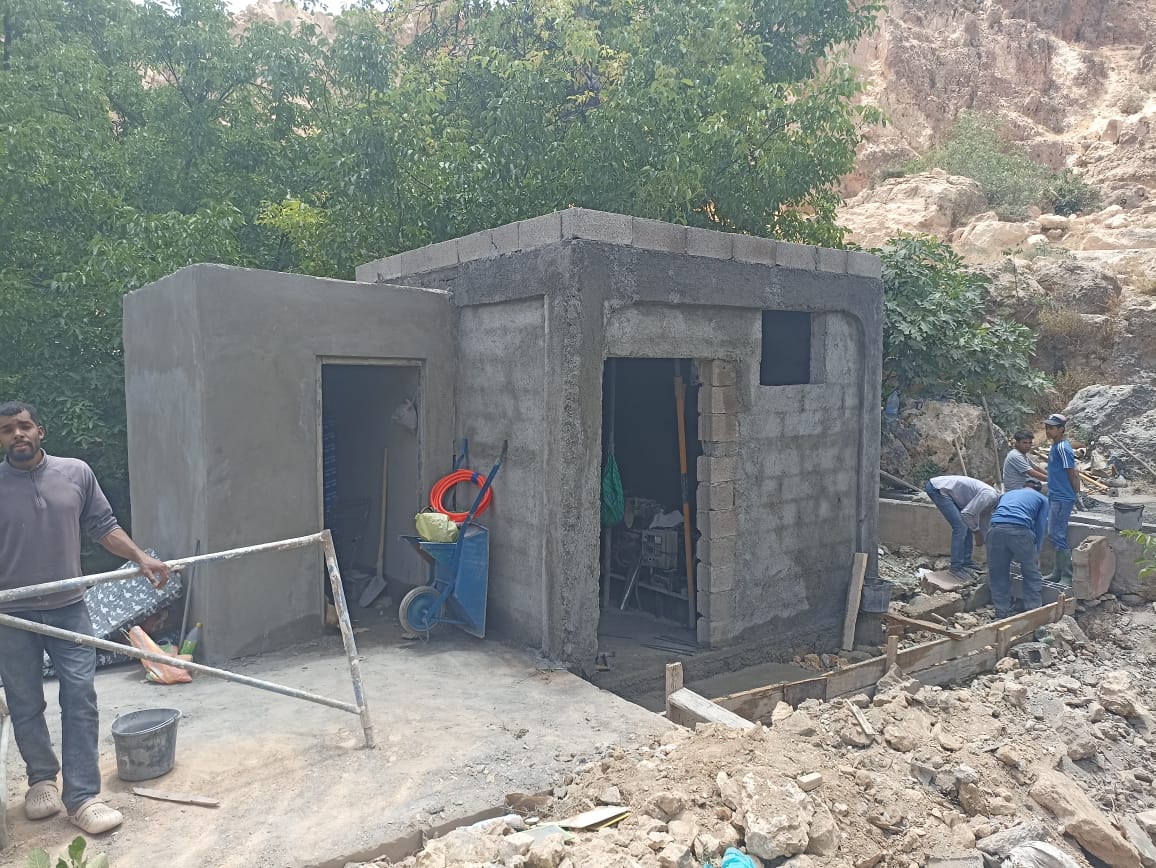
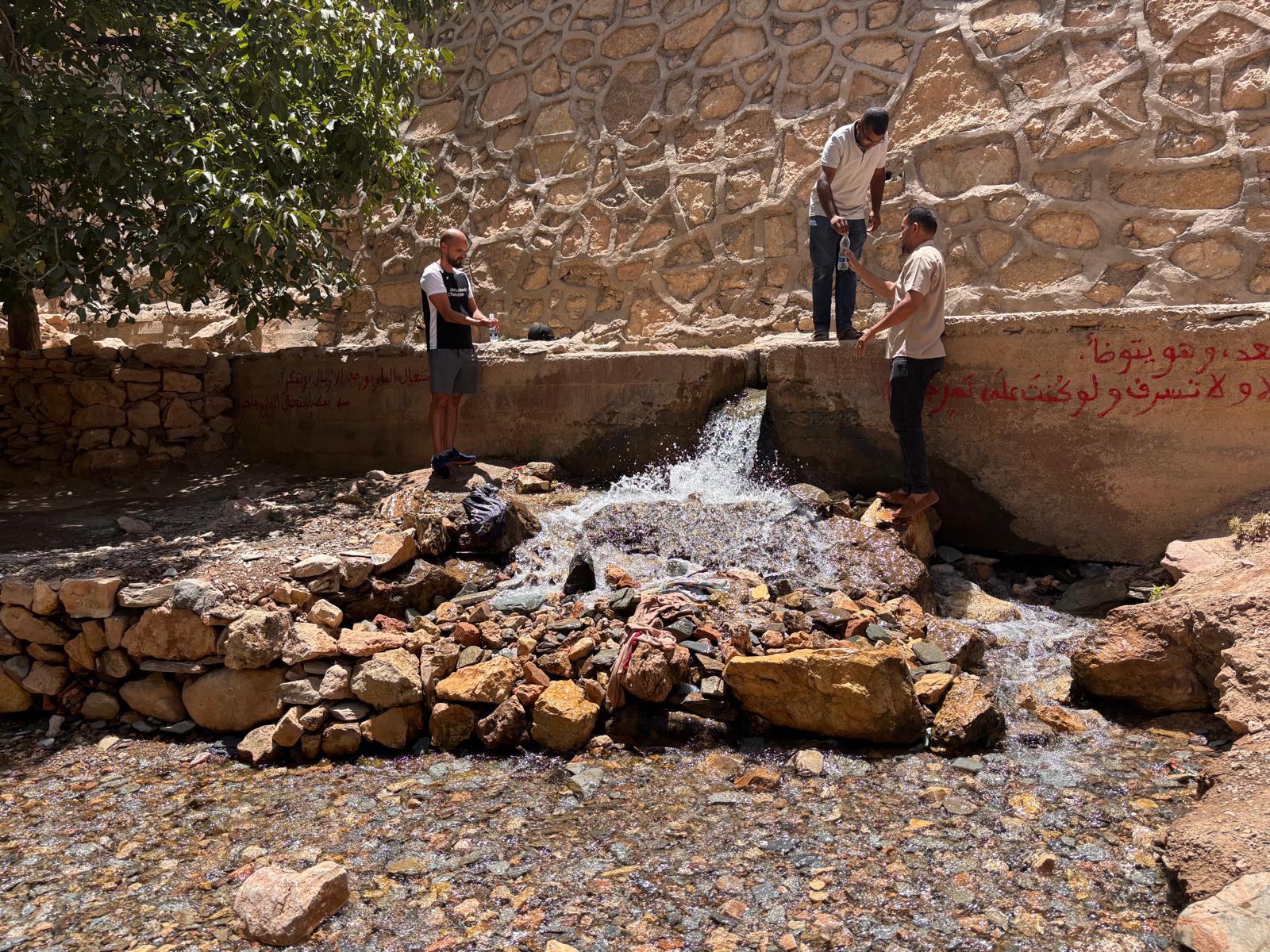
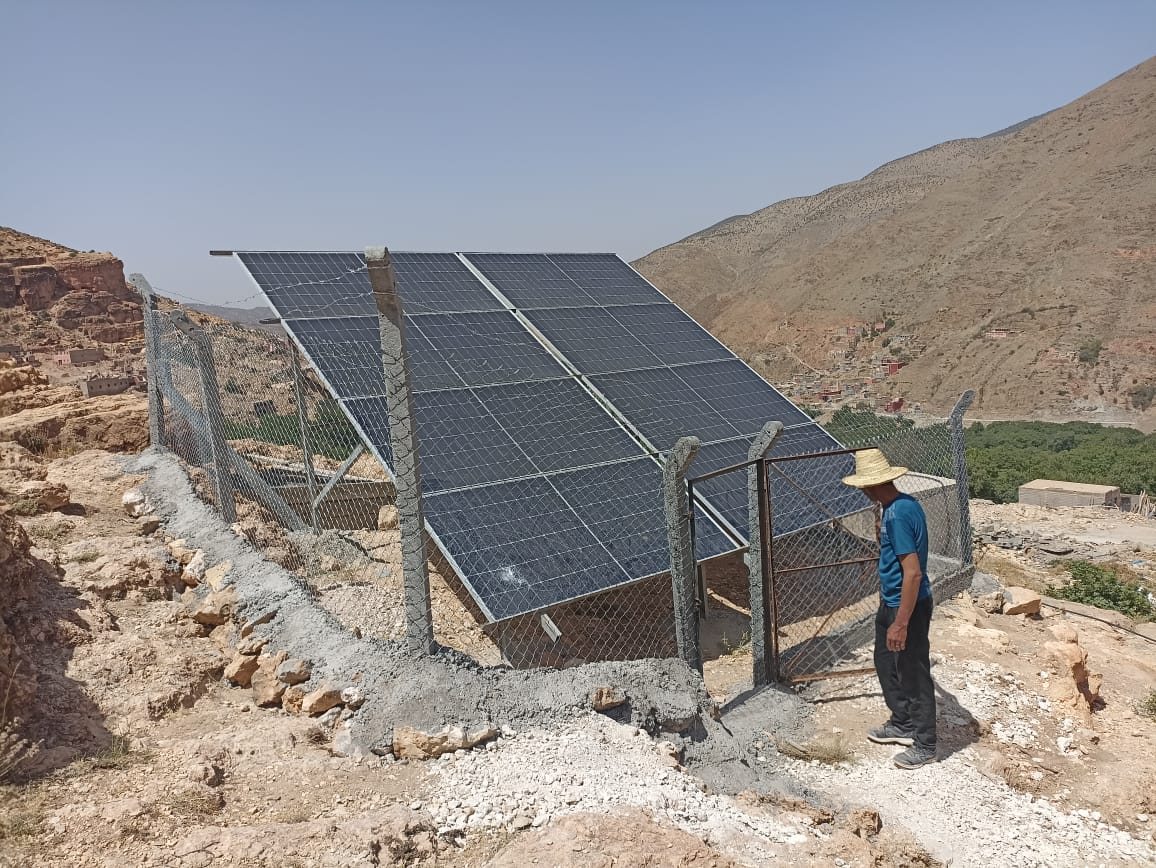
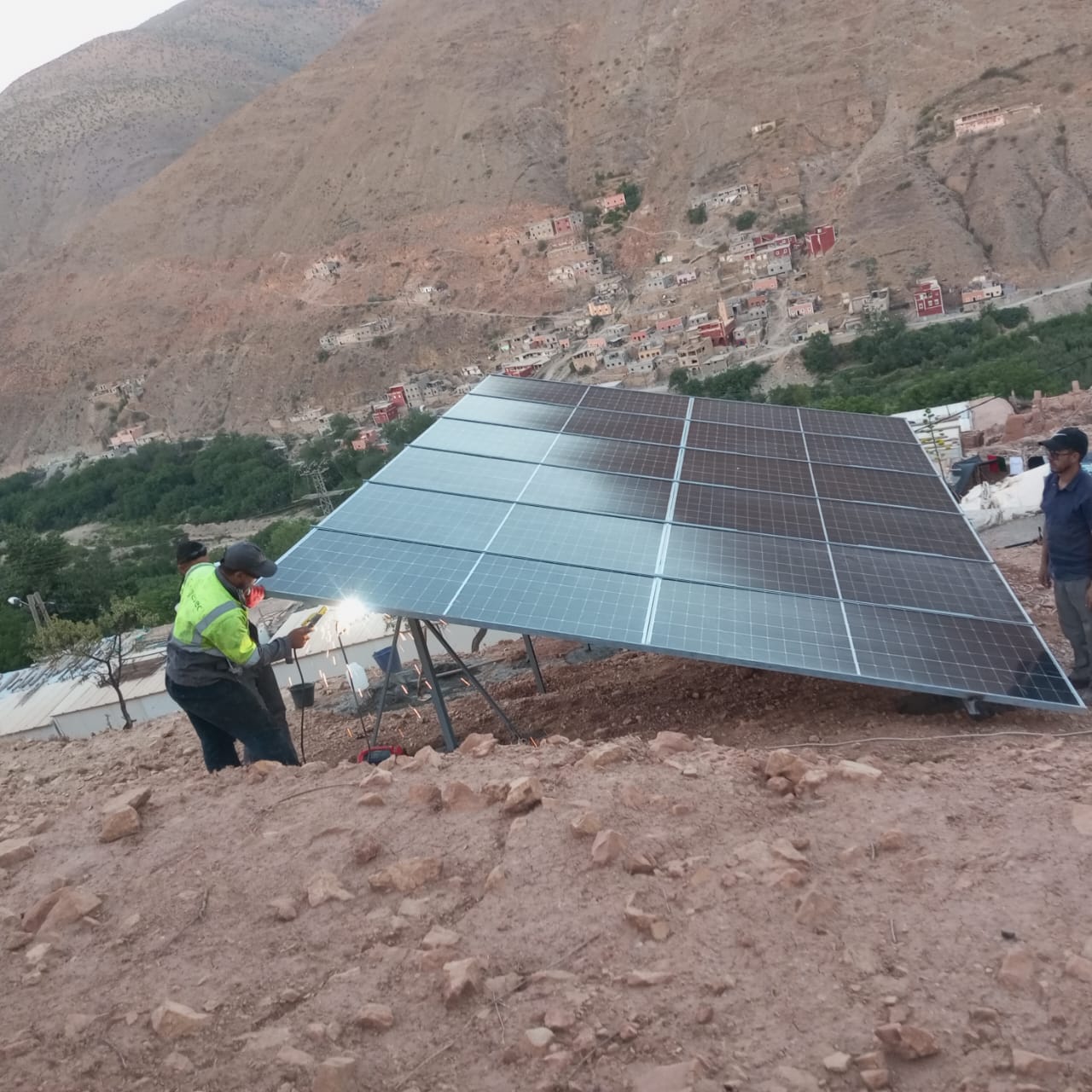
The actions targeted three douars (villages) in the province of Al Haouz, equipping boreholes, wells and springs with submersible pumps powered by solar panels and installing modern pipes to ensure a reliable supply.

Installation of solar water points and rehabilitation

The project made it possible to:

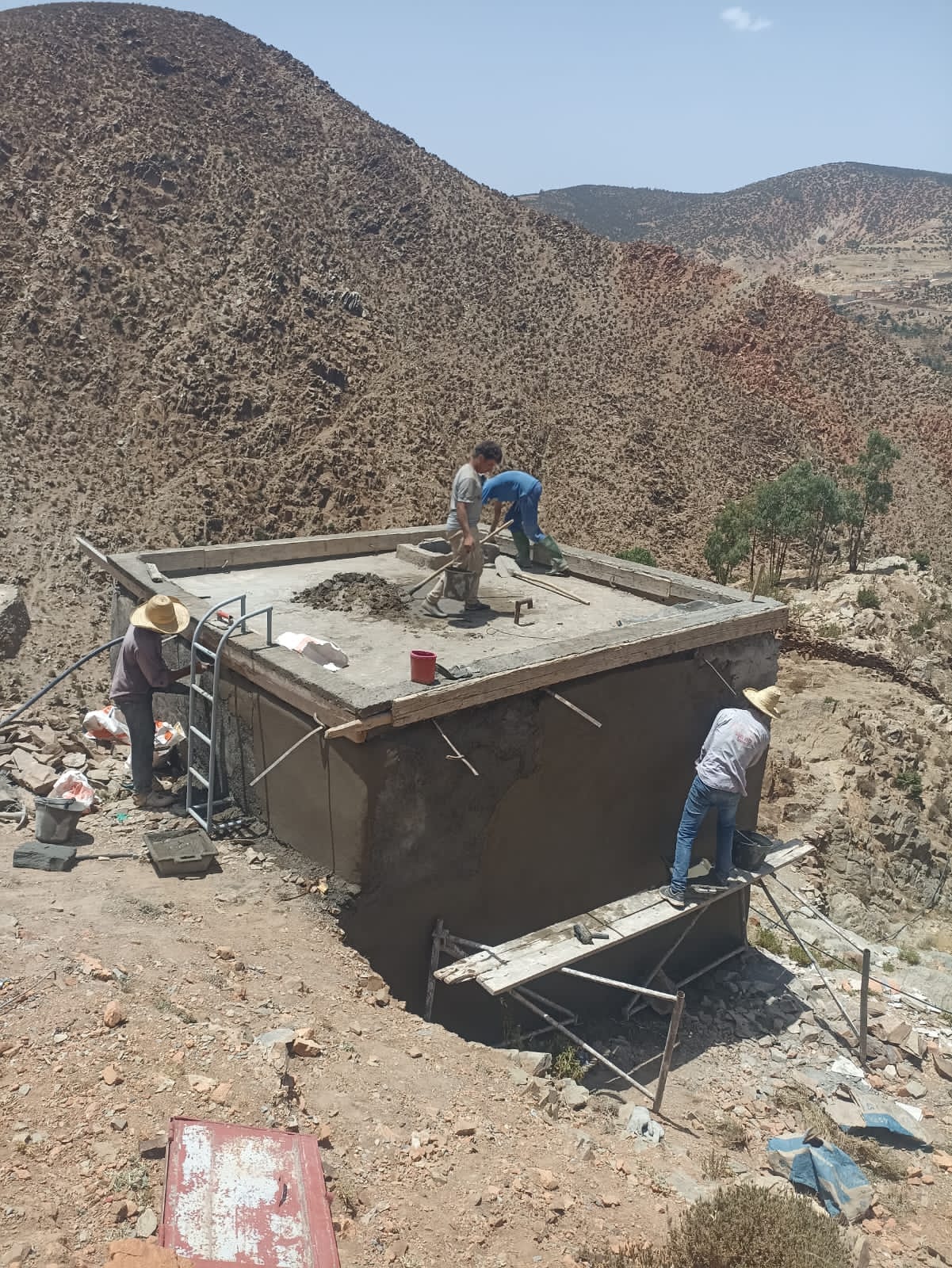
  • Rehabilitate reservoirs damaged by the earthquake.
  • Reduce dependence on conventional energy sources.
  • Lower electricity costs and promote sustainable, environmentally friendly development.

The work, completed last August, now provides stable access to drinking water and incorporates sustainable practices adapted to local needs.

3

villages served

600

beneficiaries

Autonomy and local management of water points

Water points are now managed by local associations already involved in community water resource management. These associations will ensure:

  • Maintenance and operation of facilities.
  • Reuse of savings generated by solar energy to finance other community projects.

This approach strengthens the autonomy and sustainability of the project while improving living conditions in the douars concerned.

Impact on the sustainable development of villages

Part of the budget has been reinvested in:

  • Additional technical equipment (solar panels, modern pipes).
  • Computer equipment for a local library.
  • Paramedical equipment for people with reduced mobility.

This initiative not only helps to secure access to drinking water, but also supports the sustainable and social development of isolated communities.

The CARAX and ASAFRAN project in Al Haouz illustrates how solar energy and community mobilisation can transform access to drinking water, strengthen the autonomy of villages and support sustainable development in disaster-stricken areas of Morocco.