The Roslin Orphanage opens its doors to children whose parents have tragically lost their lives in plane crashes in the region. Due to difficult geographical conditions, landing operations are highly risky. As a result, over the past twenty-five years, the area has seen no fewer than twenty-two plane crashes, often with very heavy tolls.
Faced with these repeated tragedies, Captain Budi Soehardi and his wife Peggy felt the need to take action to support these children affected by loss. Their approach is resolutely forward-looking: they do not offer these children for adoption, but focus on their education and the fulfilment of their potential. This approach aims to enable each child to build a future for themselves, become independent and, ultimately, play an active role in the development of local society. The goal is for the children to pursue higher education after completing their schooling and participate in local development in a sustainable manner.
‘Empowering the poor and orphans through education and family education so that they can become agents of change in society.’
The site includes the orphanage, a school and an integrated farm designed to ensure food self-sufficiency based on the ‘ecovillage’ model. This farm includes a rice field, a banana plantation, a vegetable garden, livestock and fish.
In 2021, a typhoon severely damaged the orphanage’s facilities.
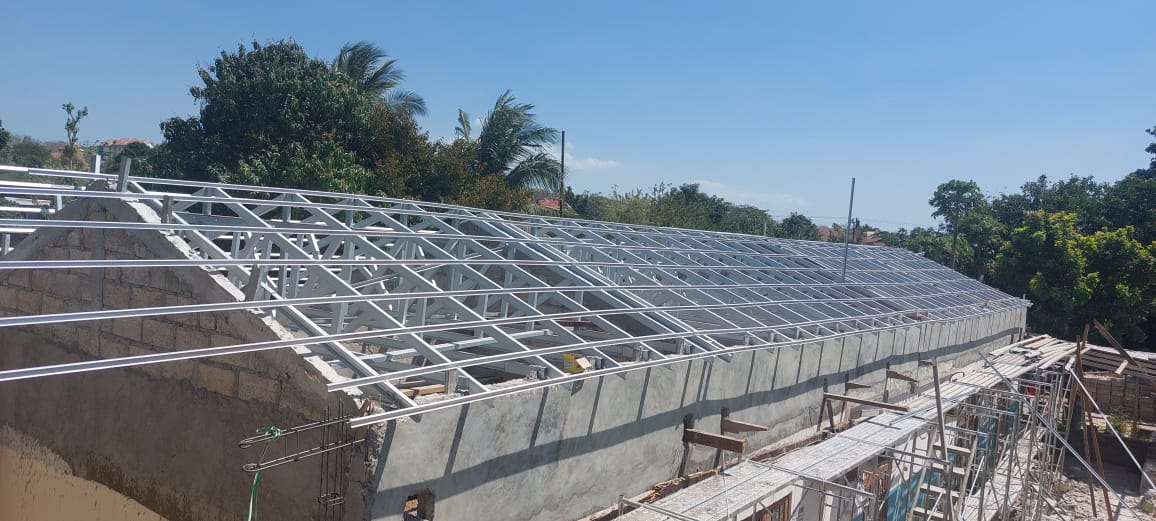
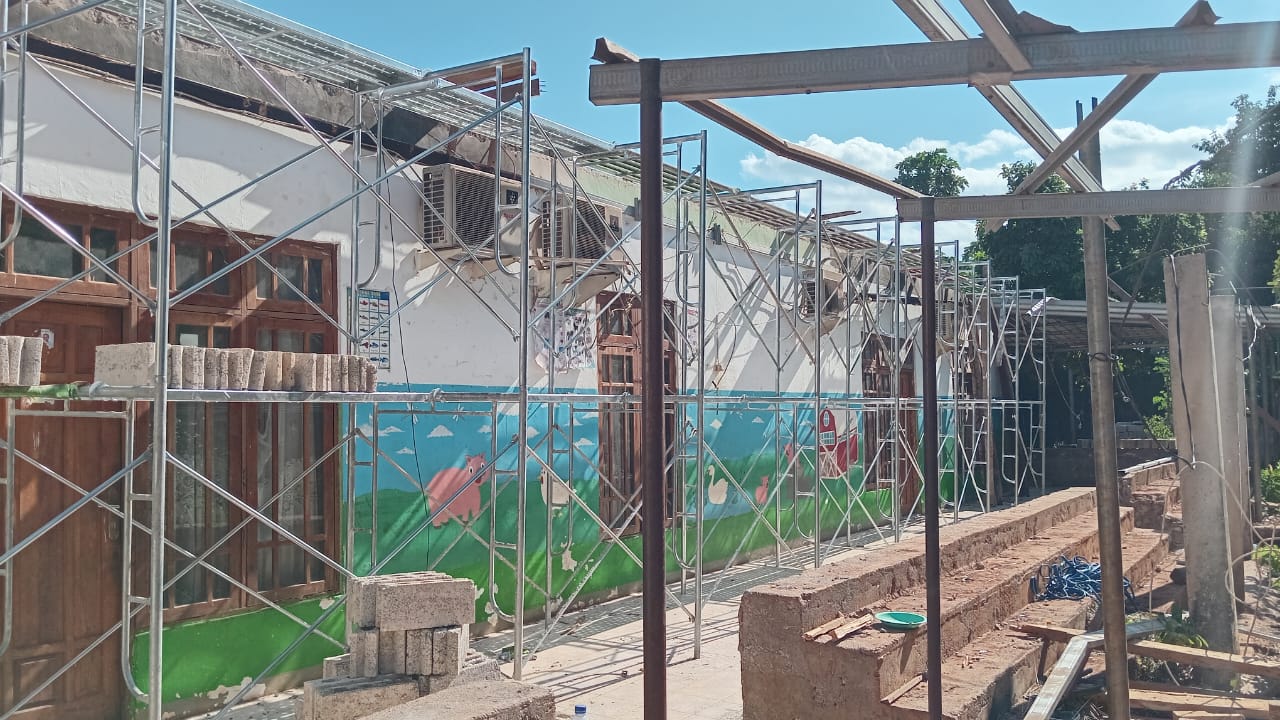
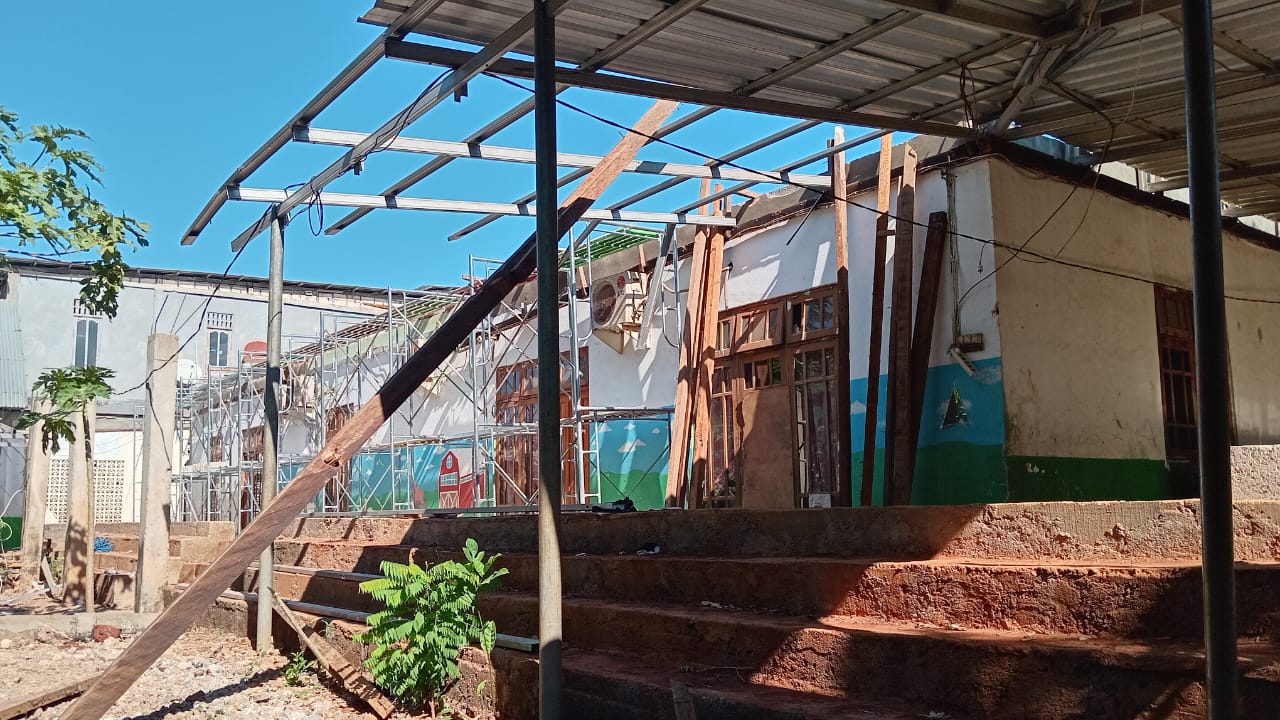
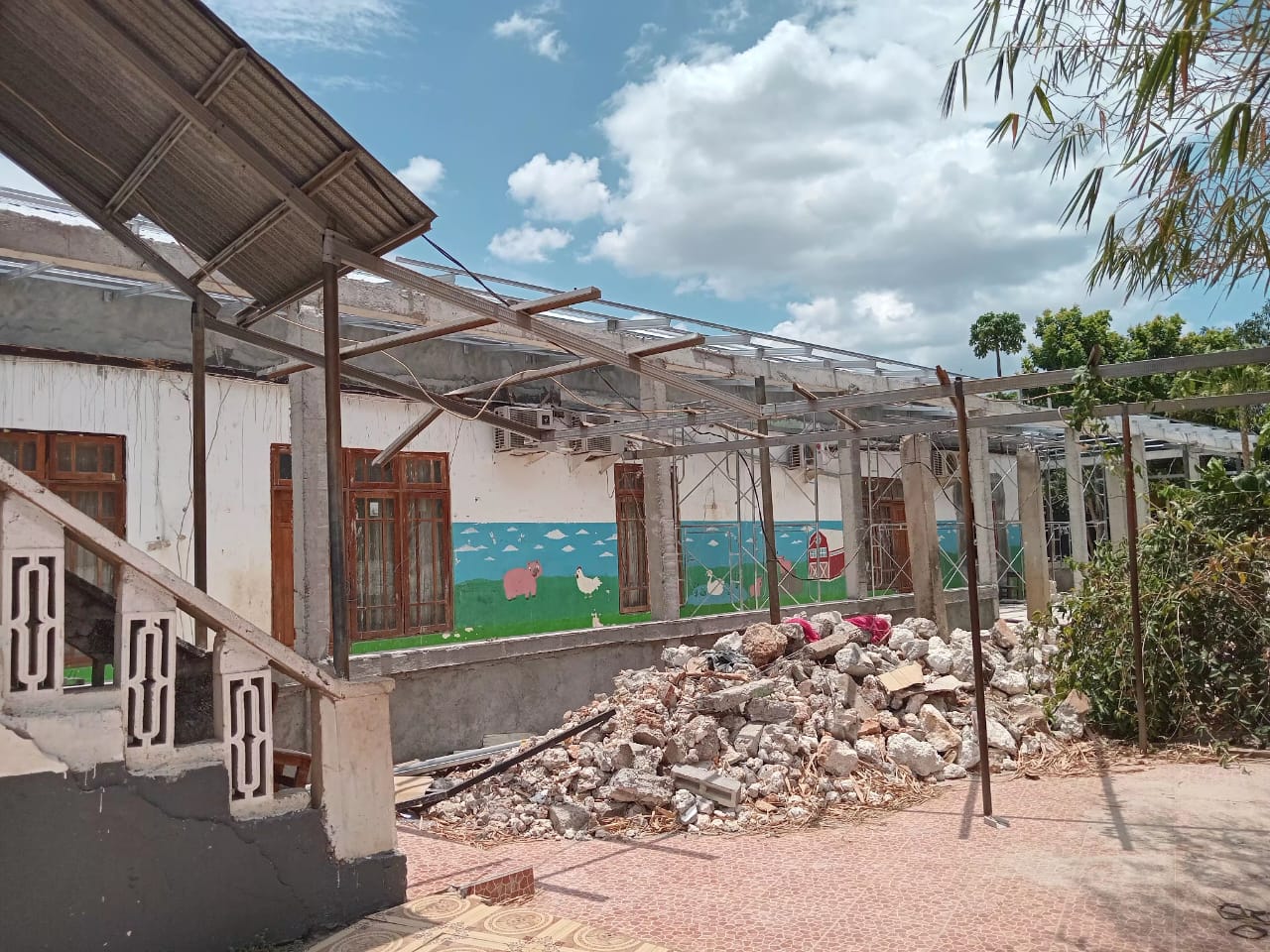
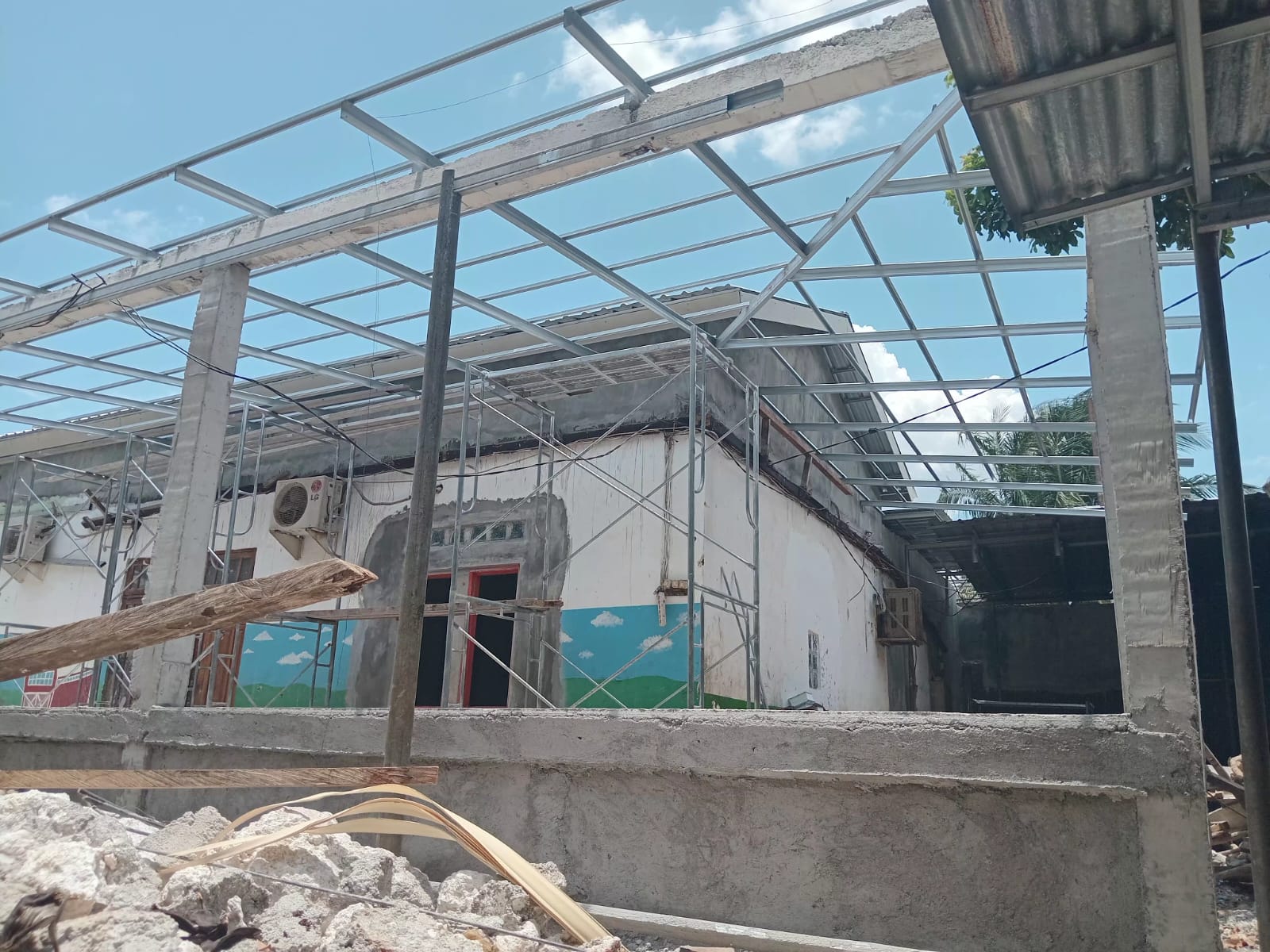
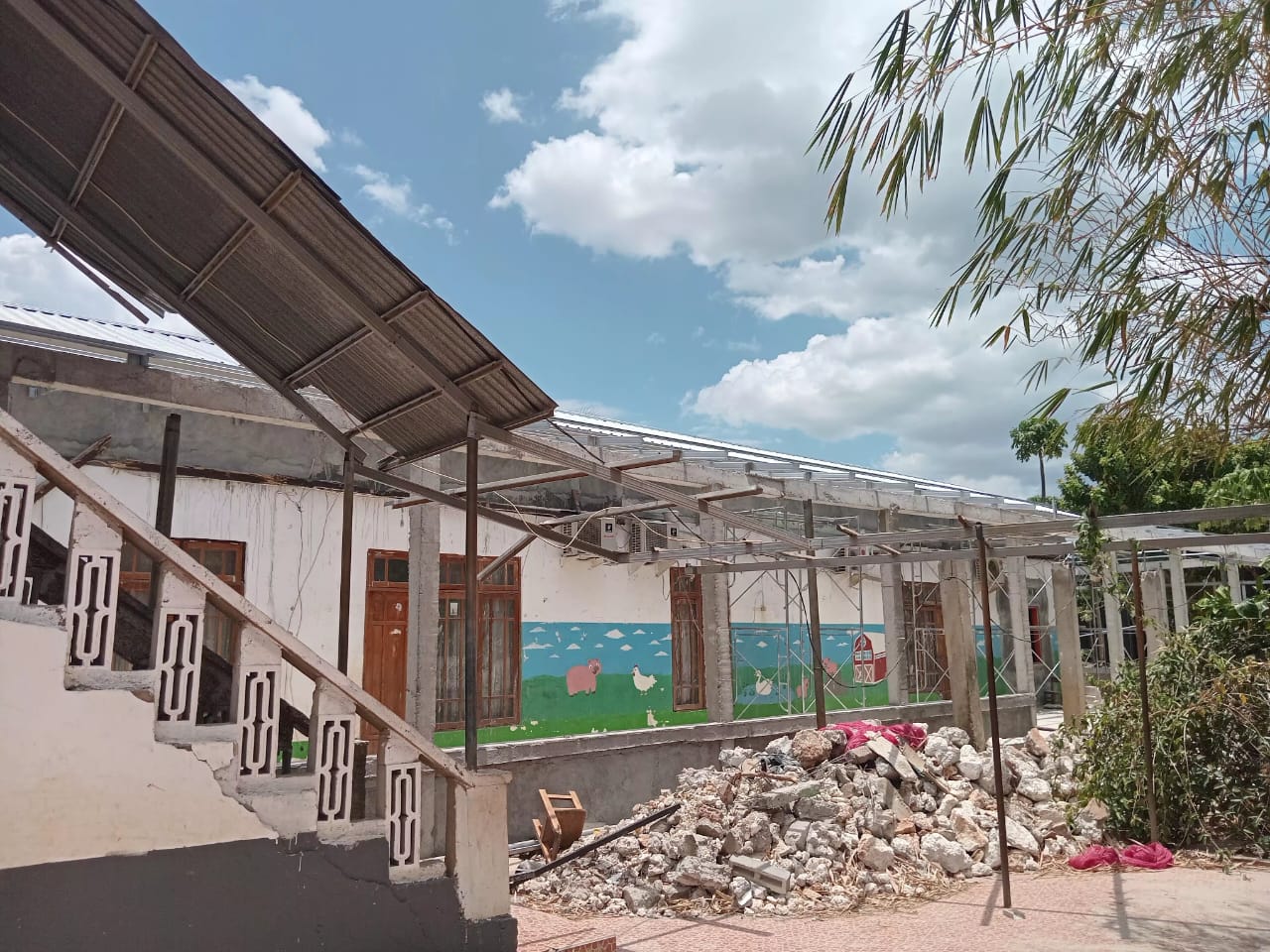
During a visit to Indonesia in 2024, Véronique assessed the damage to the infrastructure, particularly the roof and electrical system, and emphasised the need to support them in order to quickly carry out essential repairs: re-roofing and reinstalling a safe electrical system. During heavy rains, water poured into the bedrooms and other living areas of the orphanage.
The Foundation decided to finance this work with logistical support and collaboration from John Cockerill Hamon Indonesia.
These actions aim to ensure a safe and comfortable environment for the children by renovating the buildings to protect them from damp and associated health risks.
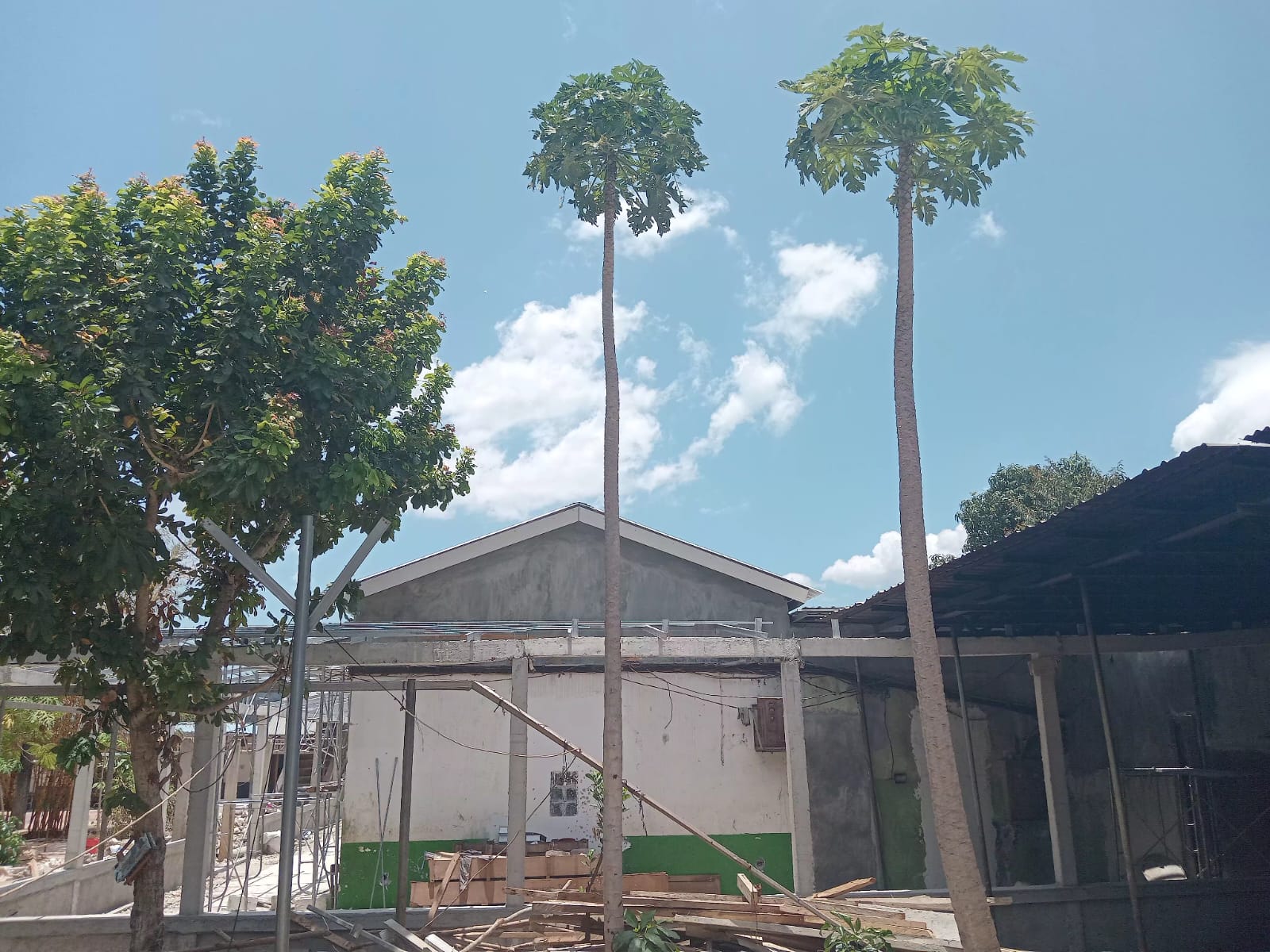
Work began in August and part of the orphanage’s roof has been replaced. The various phases (dismantling, waste disposal and installation of new materials) took time. The workers who carried out the work returned to their village at the end of October to resume their personal farming activities (ploughing and planting).
Work on the roofs and installation of ceilings will resume in January, once the rainy season is over.
We are closely monitoring these renovations and the children’s environment to give them the best chance of obtaining a diploma and succeeding in life after leaving the orphanage.