In response to this situation, the Social Ecology Education Fund (SEEF) has developed an innovative circular economy project designed to support vulnerable youth in the creation of a green charcoal cooperative. Recognizing the project’s long-term impact, the John Cockerill Foundation supports this initiative, which brings together ecological transition, social entrepreneurship, and the empowerment of African youth.
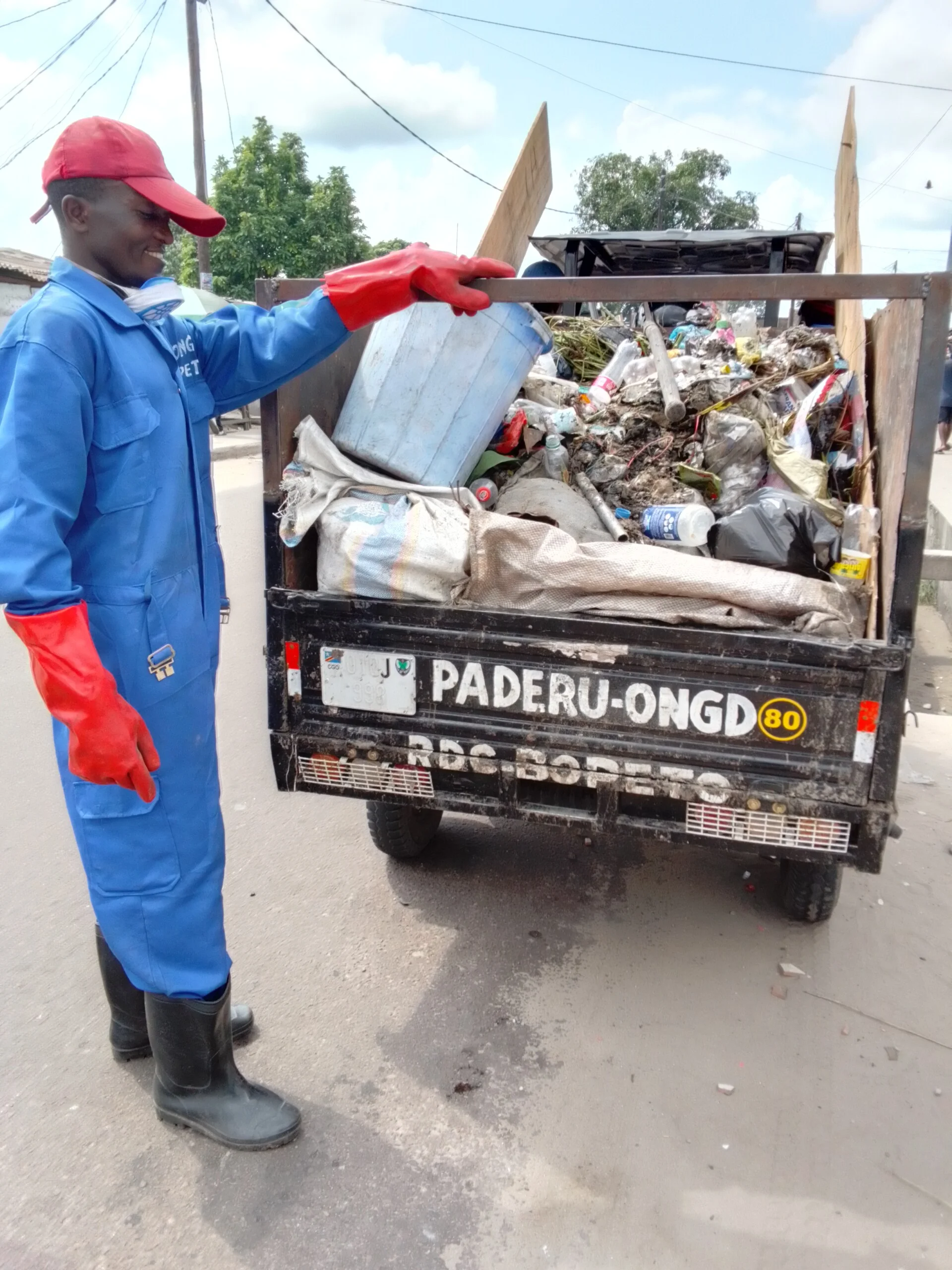
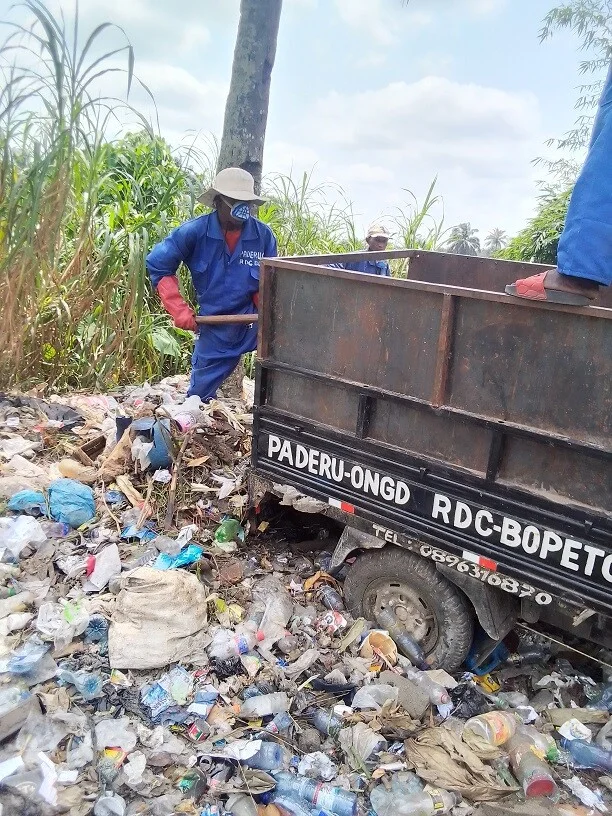
The project is based on the collection of urban organic waste, which is transformed into biochar briquettes – a sustainable alternative to traditional charcoal. Young participants are also trained in the production of improved cookstoves, which reduce polluting emissions and improve the health of beneficiary households. This model promotes responsible consumption while creating decent local jobs.
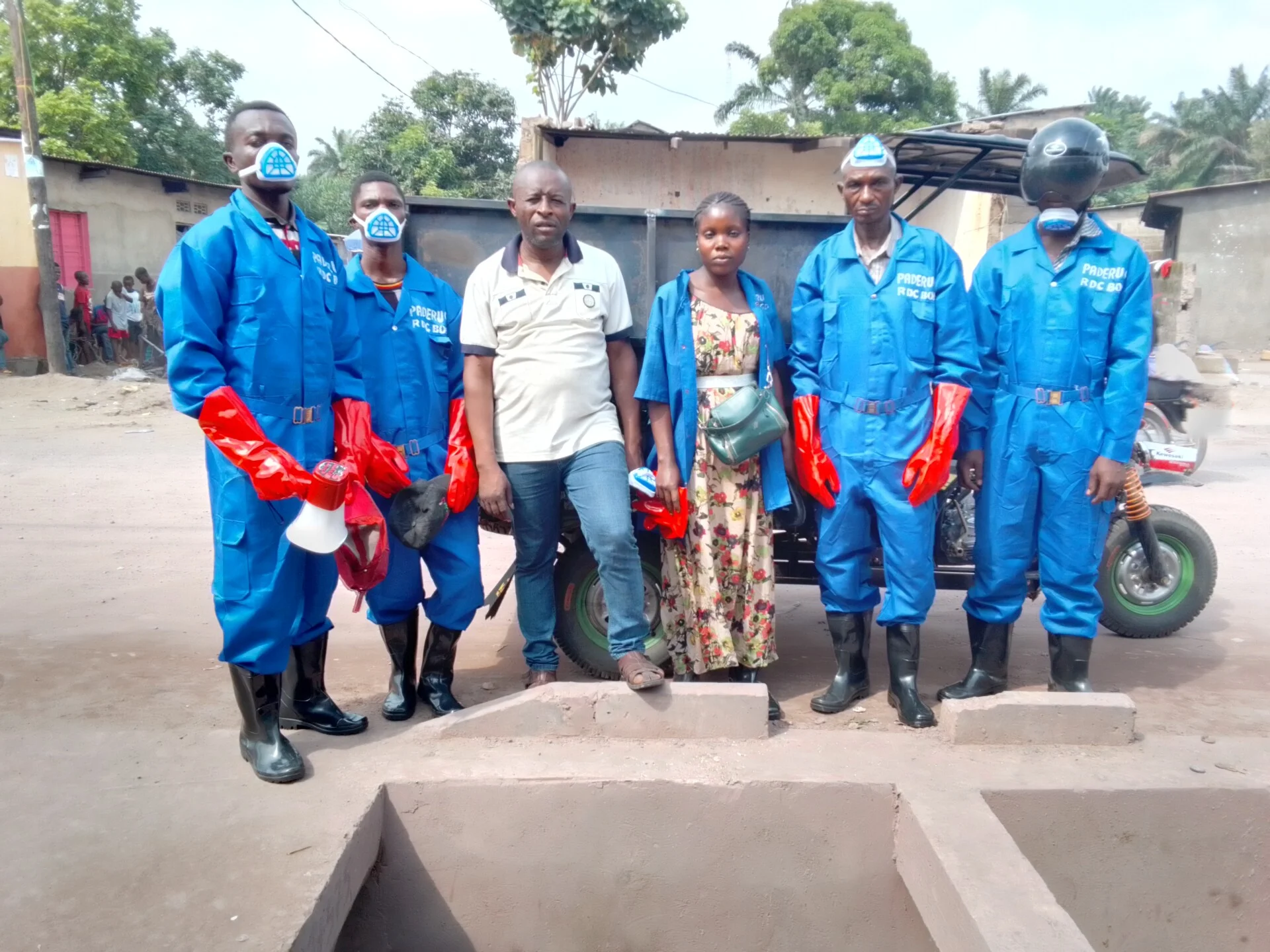
Beyond its environmental impact, the project strengthens the technical, entrepreneurial, and civic skills of participating youth, enabling them to become true agents of sustainable development within their communities.
With the support of the John Cockerill Foundation, the initiative is now entering a phase of professionalization and expansion, with the ambition to scale the model to other neighborhoods in Kinshasa and, eventually, to other regions. This partnership illustrates the Foundation’s commitment to high-impact social and environmental projects aligned with the United Nations Sustainable Development Goals.